

 Nicole Johnson
As a new nurse to Critical Care, it’s important to learn about and feel comfortable managing ventilators on critically ill patients. First, remember that your respiratory therapists are your friends, and you should lean on them if questions arise. Also, remember you need to become comfortable with managing ventilators, understanding the settings, why your patient is on a ventilator, and ventilator alarms. We are going to delve into how to manage ventilator alarms.
So, you hear your ventilator alarming.
What should you do?
Look at the ventilator and assess which type of alarm is alarming.
Review the table below.

Here is my expert caveat.
Look at both your patient and the ventilator. If your patient is in trouble (i.e., desatting, not ventilating) and you can’t figure out what is going on with the ventilator, especially after doing your own troubleshooting, call for help and manually bag your patient until help arrives. Over my 16 years of ICU experience, I’ve encountered malfunctions with ventilator tubing, ETTs, and malfunctioning ventilators, so it does happen. You can always manually ventilate your patient if they are in trouble. Remember to match both the PEEP on the PEEP valve and the respirations.
If you have found this helpful or want other information regarding ventilators, check out Nicole’s ventilator management course ‘Unveiling the Mysteries of Mechanical Ventilation.’
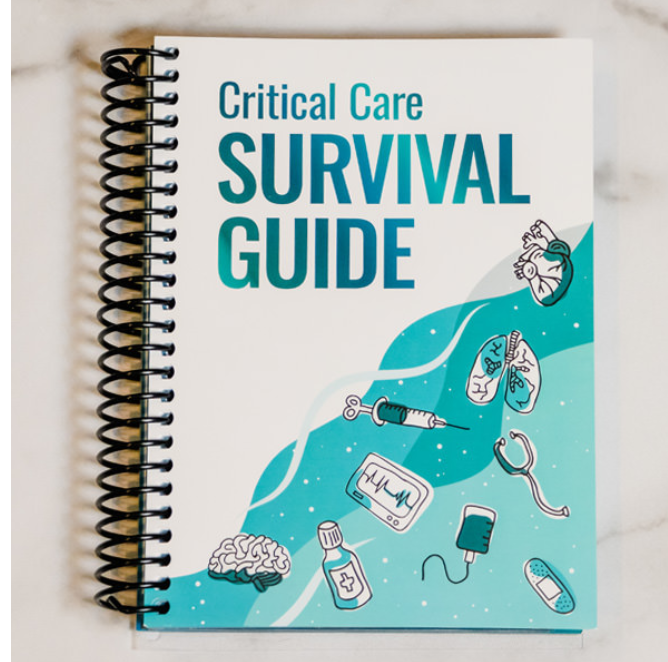
Additionally, her Critical Care Survival Guide has a great section on ventilator management.
References:
https://www.aacn.org/clinical-resources/pulmonary/mechanical-ventilation-settings
https://emedicine.medscape.com/article/810126-overview#a9





Add comment